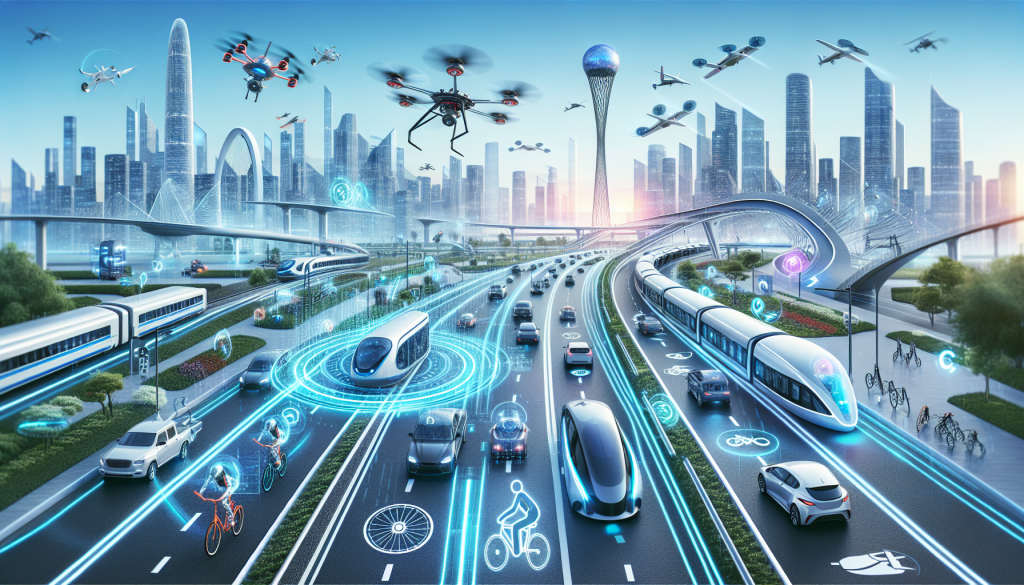
Transportation is an essential aspect of modern society, shaping how we move from one place to another. With the advancement of technology, particularly in the field of Artificial Intelligence (AI), the future of transportation is set to undergo significant transformations by the year 2025. AI is poised to revolutionize the way we travel, making transportation more efficient, safe, and sustainable. In this article, we will explore how AI will impact the future of transportation and what changes we can expect to see in the next few years.
Enhanced Safety Measures
One of the key ways in which AI will revolutionize transportation is through enhanced safety measures. AI-powered systems can analyze vast amounts of data in real-time to predict and prevent accidents. For instance, self-driving cars equipped with AI can react faster to potential hazards on the road, reducing the likelihood of collisions. By 2025, we can expect to see a significant decrease in traffic accidents thanks to the widespread adoption of AI technology in vehicles.
Improved Traffic Management
AI will also play a crucial role in improving traffic management in urban areas. By analyzing traffic patterns and predicting congestion, AI systems can optimize traffic flow and reduce gridlock. In 2025, we can anticipate more efficient transportation networks that minimize travel times and enhance the overall commuting experience for individuals living in densely populated areas.
Personalized Travel Experiences
Another exciting development in the future of transportation is the concept of personalized travel experiences. AI algorithms can analyze user preferences and behavior to tailor transportation services to individual needs. For example, AI-powered ride-sharing platforms can match passengers with drivers based on factors such as destination, route preferences, and vehicle type. By 2025, we can expect a more personalized and convenient travel experience for commuters worldwide.
Shift Towards Electric and Autonomous Vehicles
AI technology will also drive the shift towards electric and autonomous vehicles in the coming years. Electric vehicles (EVs) are becoming increasingly popular due to their environmental benefits, and AI is instrumental in optimizing their performance and efficiency. Additionally, autonomous vehicles rely heavily on AI for navigation, obstacle detection, and decision-making. By 2025, we can expect a significant increase in the adoption of EVs and autonomous vehicles, leading to a greener and more sustainable transportation system.
Integration of Smart Infrastructure
AI will not only transform vehicles but also the infrastructure that supports transportation systems. Smart infrastructure, such as intelligent traffic lights, sensors, and communication networks, will work in harmony with AI-powered vehicles to create a seamless transportation ecosystem. By 2025, we can expect cities to be equipped with smart infrastructure that enhances safety, efficiency, and sustainability in transportation.
Challenges and Considerations
While the future of transportation powered by AI promises numerous benefits, there are also challenges and considerations that need to be addressed. Data privacy and security concerns, regulatory frameworks, and societal acceptance of autonomous vehicles are among the key issues that must be carefully navigated as we move towards an AI-driven transportation future.
Conclusion
In conclusion, the future of transportation in 2025 will be significantly shaped by AI technologies. From enhanced safety measures and improved traffic management to personalized travel experiences and the widespread adoption of electric and autonomous vehicles, AI will revolutionize the way we travel. While there are challenges to overcome, the potential benefits of an AI-powered transportation system are immense. By embracing AI innovations and fostering collaboration between stakeholders, we can create a future where transportation is safer, more efficient, and more sustainable for all.