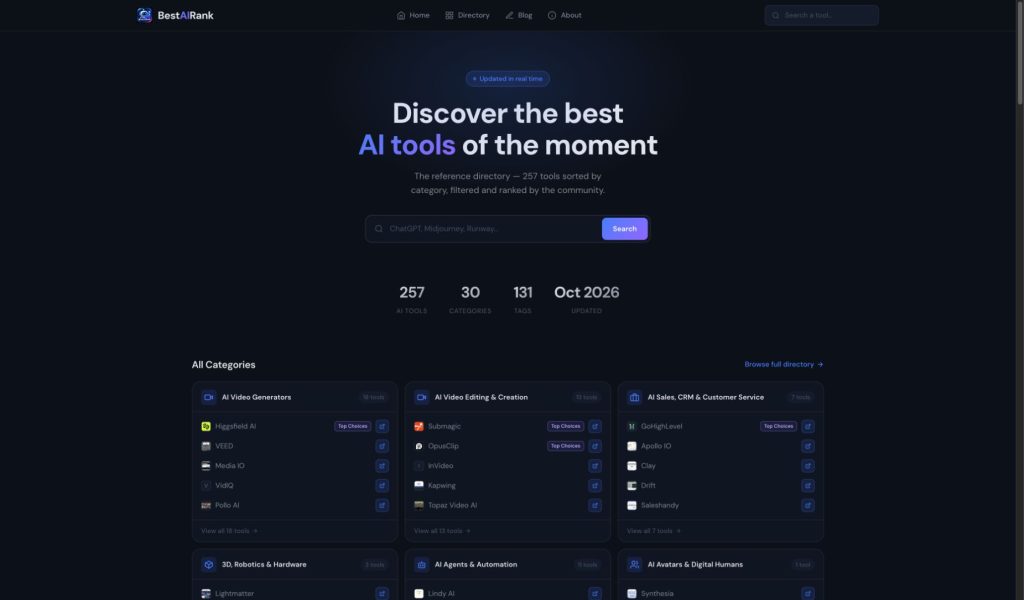
A website to finish, pages to update, a video to edit and social accounts waiting for a new post: building an online presence can become a long queue of unfinished work. AI can help with parts of that queue. The useful starting point is a task you already need to complete, rather than another subscription.
This guide connects a few practical uses, from improving a page to preparing content for distribution. The categories and reviews below help you shortlist tools. This is a workflow guide, not a hands-on comparison of every product listed in the directory.
Start with one page and one next step
Define the audience and the action you want a page to support: an enquiry, a newsletter signup, a useful download or a product decision. Gather the facts first. Your offer, customer questions, specifications and working examples give a writing tool something grounded to work with.
Ask for a list of unanswered questions before requesting a complete draft. For example, a local service page may explain what you do but omit the area you cover or how customers prepare for an appointment. Finding those gaps can be more useful than producing another generic introduction.
Check every factual statement before publishing. A fluent paragraph is not evidence that a price, testimonial or product claim is accurate.
Use writing and SEO tools for different jobs
AI writing assistants can help explore structures and wording. AI marketing and SEO tools address related work, such as research and content planning, depending on the product.
Use the Frase review as one starting point for your research, then check the vendor’s current features and terms. Keep the editorial decision with you: your page needs to answer the visitor’s question and include information you can support. No content score guarantees a search position.
Add your own examples, explanations and relevant screenshots. If you researched a product without using it, describe the article as research rather than a personal test. That distinction helps readers judge the evidence.
Create visuals with a clear purpose
A useful illustration might explain an idea, set a campaign’s mood or support a social post. Explore AI image generators around one of those jobs, rather than generating images simply to fill space.
Keep real screenshots for interfaces and real photographs for work you actually completed. A generated picture should not be presented as proof of a customer result or a real member of your team. Review the output for misleading details, incorrect lettering and suitability for the intended use. Check the applicable usage rights before publishing.
Turn an existing video into smaller pieces
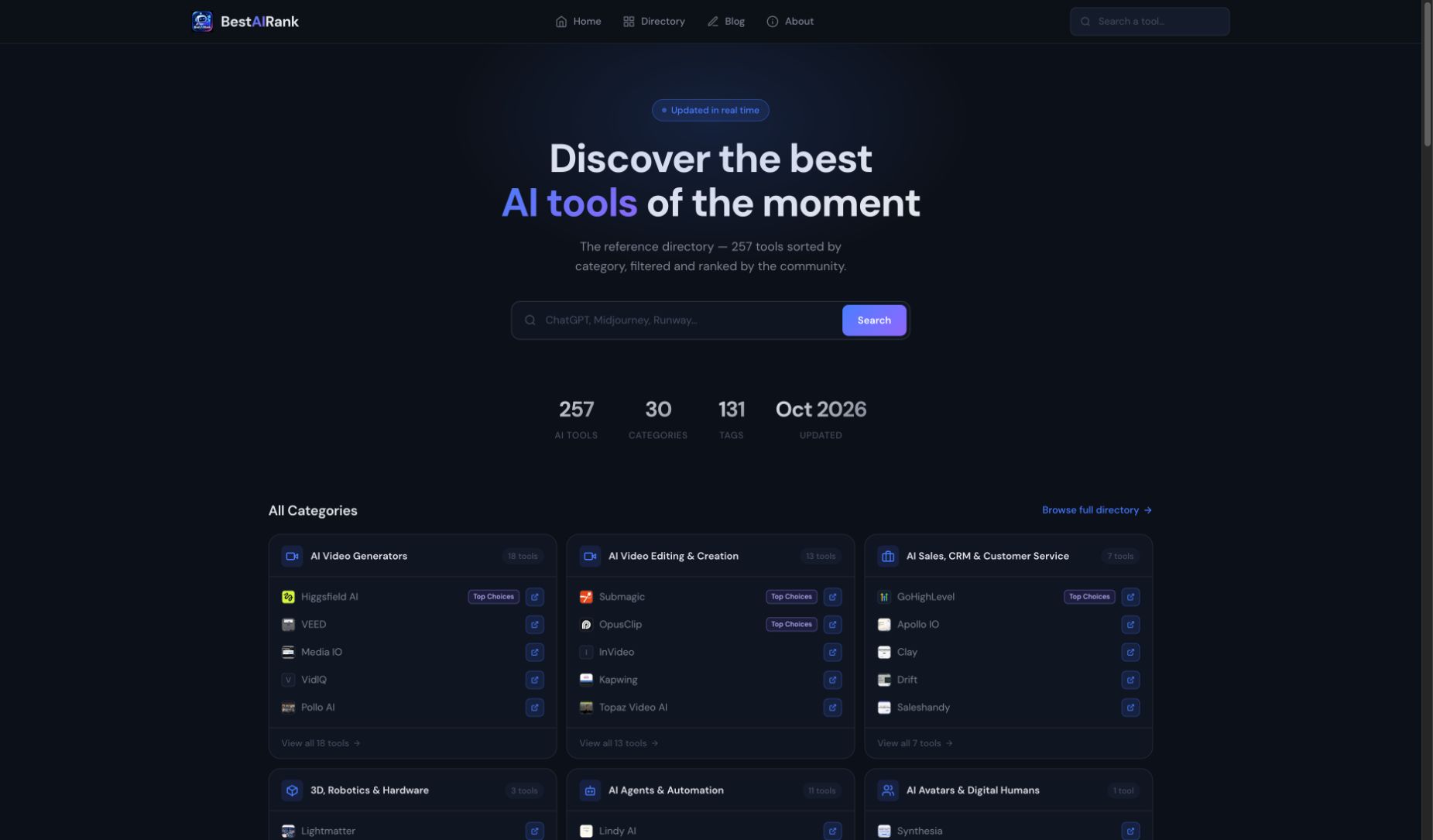
If you already have an interview, demonstration or presentation, explore AI video editing and creation tools. The Submagic and OpusClip reviews offer starting points for investigating short-form video workflows.
Test a representative excerpt before processing your whole library. Check the mobile crop, captions and the meaning of the selected passage. A clip that removes a qualification can change what the speaker said. Include correction time when comparing tools: a quick first export may still need substantial editing.
For each platform, give viewers a reason to continue. A short demonstration can link to a detailed tutorial; a product explanation can lead to a page that answers the next questions.
Give the content a working destination
Social activity needs somewhere useful to send people. If your website is still taking shape, iMasterWeb presents website creation and hosting services. Its French website examples also provide downloadable HTML templates for different professions. These are HTML templates, not WordPress themes; the free download requires retaining the specified footer credit.
A template is a starting structure. You still need to replace sample information, review links, prepare hosting and test the page on a phone. Make sure a social post leads to the promised content and the appropriate language.
Compare tools on a small real task
Use the same source material to compare output quality, editing effort, export options and total cost. Check how a service handles your data before uploading client information. Availability of an upload box does not establish that a particular document is appropriate to share.
Keep a small set of tools initially. After publishing, look at outcomes relevant to your work: useful page visits, enquiries, signups or readers reaching a key resource. Producing more posts is a production result. Building trust and helping visitors take a useful next step are the reasons to produce them.
Disclosure: BestAiRank and iMasterWeb belong to the same network of websites.