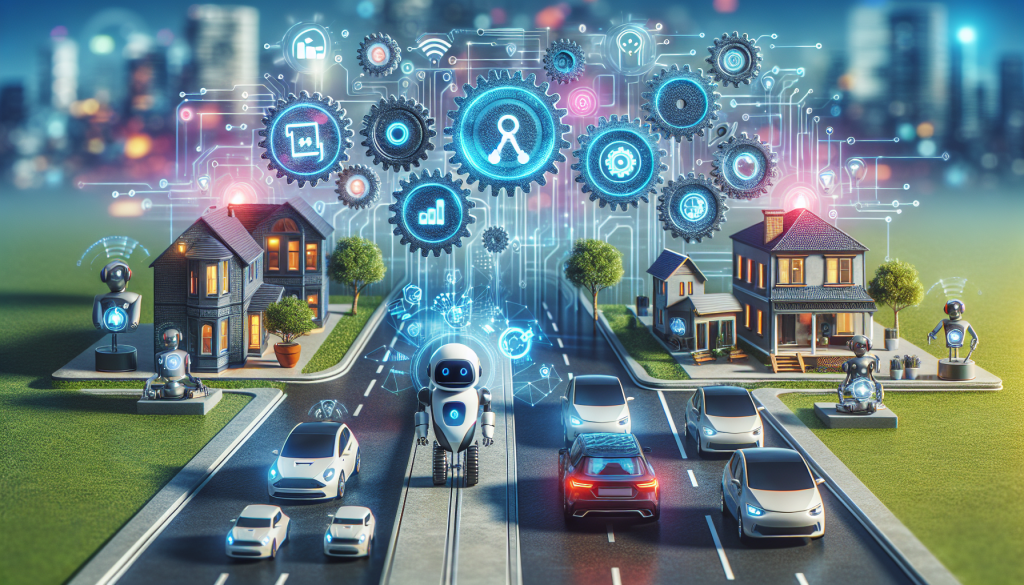
Key Applications of Artificial Intelligence in Everyday Life
Artificial Intelligence (AI) has become an integral part of our daily lives, impacting various aspects of our routines and making tasks more efficient and convenient. From smartphones to smart home devices, AI applications have revolutionized the way we interact with technology. In this article, we will explore some key applications of artificial intelligence in everyday life.
1. Virtual Assistants
Virtual assistants like Siri, Alexa, and Google Assistant have become increasingly popular and are now commonly integrated into smartphones, tablets, and smart speakers. These AI-powered assistants can perform tasks such as setting reminders, answering questions, providing weather updates, and controlling smart home devices through voice commands.
2. Recommendation Systems
AI-driven recommendation systems are widely used in e-commerce platforms, streaming services, and social media websites. These systems analyze user behavior and preferences to recommend products, movies, music, or content that are likely to be of interest to the individual. By personalizing the user experience, recommendation systems enhance customer satisfaction and engagement.
3. Healthcare
AI technologies are transforming the healthcare industry by improving diagnostics, treatment planning, and patient care. Machine learning algorithms can analyze medical images, predict diseases, and assist doctors in making accurate diagnoses. Additionally, AI-powered chatbots are being used to provide patients with medical advice and support.
4. Autonomous Vehicles
Self-driving cars are a prominent example of AI applications in transportation. These vehicles use AI algorithms to perceive their surroundings, make decisions, and navigate routes without human intervention. Autonomous vehicles have the potential to enhance road safety, reduce traffic congestion, and provide mobility solutions for individuals with disabilities.
5. Smart Home Devices
AI-powered smart home devices such as smart thermostats, security cameras, and lighting systems offer convenience and energy efficiency. These devices can learn user preferences, adjust settings automatically, and provide remote access for monitoring and control. By optimizing energy usage and enhancing home security, smart home devices contribute to a more comfortable and secure living environment.
6. Language Translation
Language translation services powered by AI have made communication across languages more accessible and efficient. AI algorithms can translate text, speech, and images in real-time, breaking down language barriers and enabling seamless cross-cultural interactions. These translation tools are particularly useful for travelers, businesses, and individuals seeking to communicate with people from diverse linguistic backgrounds.
7. Fraud Detection
AI algorithms are employed in financial institutions to detect fraudulent activities and protect against unauthorized transactions. By analyzing patterns in transaction data, machine learning models can identify suspicious behavior and alert users or financial institutions in real-time. Fraud detection systems help prevent financial losses and safeguard the security of individuals’ accounts.
8. Personalized Learning
AI technologies are revolutionizing education by enabling personalized learning experiences for students. Adaptive learning platforms use AI algorithms to assess individual learning styles, provide customized content, and track progress over time. By tailoring educational materials to students’ needs and abilities, personalized learning tools enhance engagement and academic performance.
In conclusion, artificial intelligence has permeated various aspects of our daily lives, enhancing convenience, efficiency, and productivity. The key applications of AI in everyday life span across different industries and domains, showcasing the versatility and transformative potential of this technology. As AI continues to evolve and advance, we can expect to see even more innovative applications that further enrich our daily experiences.